
US stocks opened lower on Monday as tensions between President Donald Trump and Federal Reserve Chair Jerome Powell escalated into a criminal probe threat, sparking concerns over central bank independence and pulling down banking shares. Investors worried about potential policy shifts that could disrupt interest rates and economic stability, leading to a cautious start for major indexes in New York.
Market Opens with Caution
Wall Street kicked off the week on a shaky note. The Dow Jones Industrial Average fell 0.38 percent by early afternoon, while the S&P 500 edged down 0.06 percent from its record high last Friday. The Nasdaq Composite held steady with a tiny 0.03 percent gain, staying near its two month peak.
This dip came after a weekend of heated exchanges. Traders pointed to the ongoing spat as a key factor dragging on sentiment. Safe haven assets like gold jumped 2.2 percent to a new all time high, and silver surged 7.3 percent. The dollar index also weakened by 0.3 percent as uncertainty grew.
Banking stocks took the hardest hit. Major lenders saw declines amid fears that political pressure on the Fed could lead to unpredictable interest rate moves. Cyclical sectors, which thrive on economic growth, also slipped as investors reassessed risks.
Details of the Trump Powell Dispute
The feud centers on a Department of Justice investigation into Jerome Powell. The probe targets his testimony last June about a 2.5 billion dollar renovation of the Federal Reserve headquarters. Powell called it an attempt to undermine the Fed’s ability to set rates based on data, not politics.
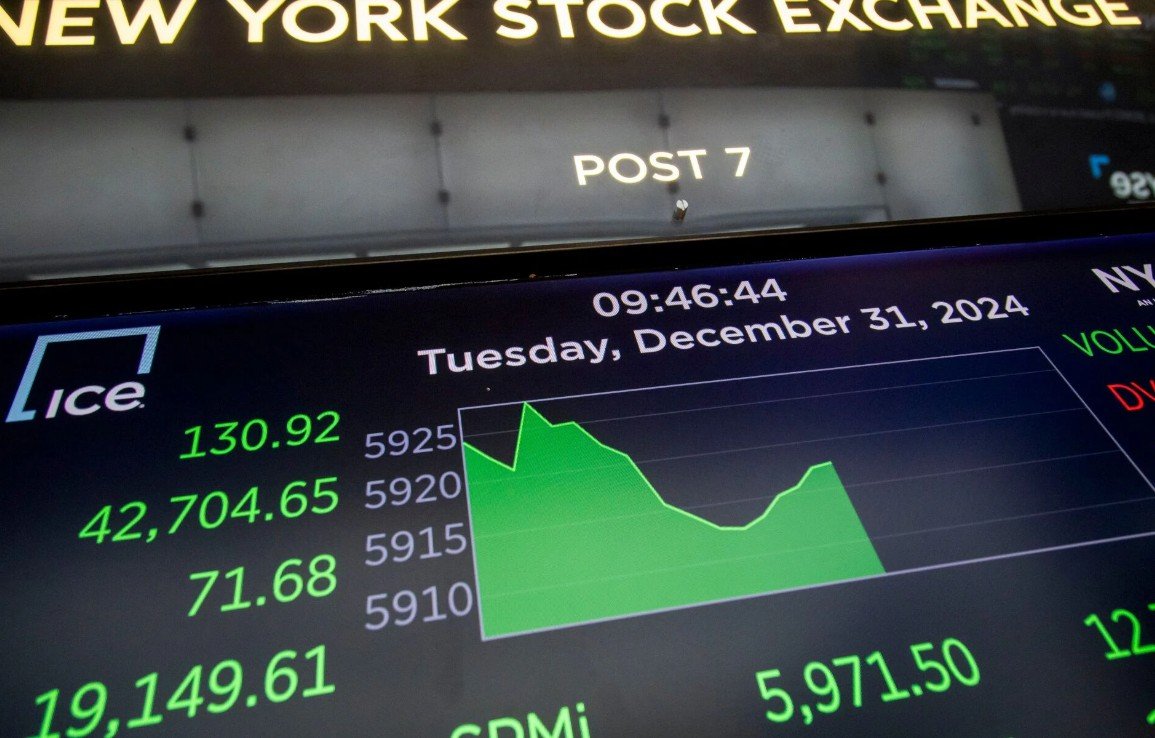
Trump has long criticized Powell for not cutting rates fast enough. This latest move ramps up the pressure, with the president pushing for more influence over monetary policy. Powell responded in a video, vowing to resist intimidation and protect the central bank’s role.
Experts say this clash raises questions about Fed independence, a cornerstone of US economic policy since the 1930s. Similar disputes in other countries have led to higher inflation and market volatility in the past.
Recent events tie into broader tensions. Just last month, Trump floated a 10 percent cap on credit card rates, which hammered bank stocks further. This probe adds fuel to the fire, echoing Trump’s earlier threats during his first term.
Impact on Banks and Cyclical Stocks
Banks felt the brunt of the sell off. Shares of big names like JPMorgan Chase and Citigroup dropped as traders feared fallout from the dispute. Lower interest rates could squeeze profit margins, while uncertainty might slow lending.
Cyclical stocks, tied to economic cycles, also weakened. These include sectors like manufacturing and energy, which rely on steady growth. The worry is that political meddling in the Fed could spark inflation or slow the economy.
Here is a quick look at key market moves:
- Dow Jones: Down 0.38 percent
- S&P 500: Down 0.06 percent
- Nasdaq: Up 0.03 percent
- Gold: Up 2.2 percent to record high
- Silver: Up 7.3 percent to record high
- Dollar Index: Down 0.3 percent
This table shows performance of major bank stocks early Monday:
| Bank | Percent Change | Closing Price Friday | Early Monday Price |
|---|---|---|---|
| JPMorgan Chase | -1.2% | $215.50 | $212.91 |
| Citigroup | -1.5% | $65.20 | $64.22 |
| Bank of America | -0.9% | $42.80 | $42.41 |
| Wells Fargo | -1.1% | $58.30 | $57.66 |
These shifts highlight how sensitive financial sectors are to policy risks.
Analysts note that while the initial reaction was negative, some recovery happened by midday. Investors seem to bet that the Fed will hold its ground, based on historical resilience.
Investor Sentiment and Broader Reactions
Traders remain split on the long term effects. Some see this as short lived noise, pointing to strong corporate earnings that drove last week’s highs. Others warn of deeper issues if the probe escalates.
Social media buzzed with opinions. Posts on platforms like X showed concern over market volatility, with many users linking the dip to fears of inflation resurgence if rates get politicized.
Gold’s rally signals a flight to safety. Investors piled into precious metals, pushing prices to new peaks. This mirrors reactions during past political uncertainties, like the 2019 trade wars.
Economic data adds context. Recent inflation reports show cooling prices, but Trump’s push for lower rates could reignite them. The latest jobs numbers from December 2025 were solid, yet any Fed shake up might unsettle hiring trends.
What This Means for the Economy
The dispute could ripple beyond stocks. If Fed independence erodes, experts predict higher borrowing costs and slower growth. History shows independent central banks help keep inflation in check.
Looking ahead, markets eye the next Fed meeting in late January 2026. Powell’s stance might clarify things, but ongoing probes could prolong uncertainty.
For everyday investors, this underscores the need to diversify. Safe havens like gold offer protection, while watching policy news becomes key.
In the bigger picture, this ties into global trends. Similar central bank pressures in places like Turkey have led to currency crises, a cautionary tale for the US.
Share your thoughts on how this spat might affect your investments. Did it change your view on stocks? Comment below and spread the word to keep the conversation going.